


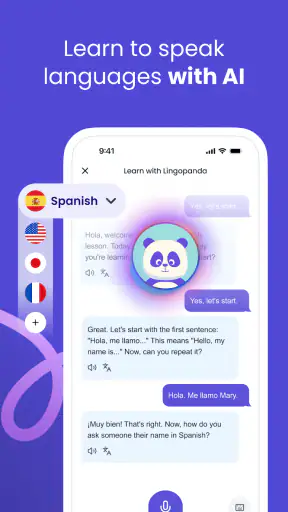
I found Lingopanda: Language Learning most interesting when I stopped treating it like a course I had to “finish.” It works better as a small daily practice space: I could watch short lessons, test myself, and use the AI tutor when I wanted a more active response than simply recognizing a word on a screen. The app focuses on English and Spanish, using videos from native speakers alongside quizzes and AI-supported practice.
That combination gives it a friendly first impression. It feels less formal than opening a traditional textbook, but more purposeful than casually watching language videos on their own. I also appreciated that it is free to start and available to an Everyone audience. Lingopanda is made by Lingopanda, previously known as PingoLearn, and its education focus is clear from the first session: the aim is not entertainment with a few vocabulary cards attached, but regular contact with a language.
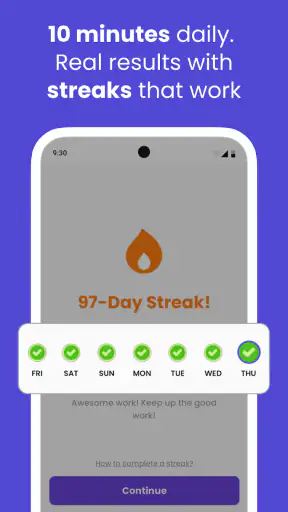
My main question after the early enthusiasm was whether it could keep earning a place on my phone once the novelty of native-speaker videos and an AI tutor wore off. That is the important test for any language app. A colorful first week is easy to create; a routine that still feels useful several weeks later is much harder.
The first sessions are easy to start
The strongest part of the opening experience is the low barrier to practice. A learner can move between watching, answering quiz questions, and trying to produce language with the tutor instead of being locked into one repetitive exercise type. That variety matters because passive viewing and active recall feel different. When I only watched a lesson, I could follow the general meaning comfortably. The quiz was more revealing because it forced me to decide whether I had actually noticed the vocabulary.
The videos from native speakers are particularly useful for learners who are tired of language examples sounding overly polished or detached from everyday speech. They provide a more human reference point than isolated words. I would still treat them as listening practice rather than a complete pronunciation course, but they make the target language feel less artificial. For someone preparing to travel, speak with relatives, or understand casual conversations, that context can make practice easier to remember.
The AI tutor adds a different kind of pressure. It gives the learner a place to try forming responses instead of waiting until a real conversation exposes every gap. I found that most valuable after a video or quiz, when I could use the new material immediately. My practical tip is to avoid asking the tutor for broad, vague practice every time. A narrower prompt, such as asking to rehearse a restaurant order or a short introduction, creates a clearer goal and makes it easier to notice what you cannot yet say naturally.
What makes the first week appealing
During the first week, Lingopanda benefits from a useful sense of movement. A video gives me something to listen to, a quiz checks whether I paid attention, and the tutor offers a chance to turn recognition into production. That sequence is more satisfying than endlessly tapping through disconnected cards. It also suits people who have short, uneven pockets of time. A learner can do a little practice during a commute, before bed, or while waiting for an appointment without needing to plan a full study session.
Another advantage is psychological rather than technical: the app makes starting feel less intimidating. Beginners often postpone speaking because they do not want to make mistakes in front of another person. An AI tutor cannot replace a real conversation partner, but it can lower the emotional cost of trying. I would use it as a rehearsal room, especially for basic phrases that I wanted to say more confidently before using them aloud.
Still, the first-week appeal should not be confused with guaranteed progress. Videos can create the pleasant feeling of understanding without demanding much from memory. The quizzes help, but I got more from the app when I deliberately paused before revealing an answer and said the phrase aloud. That small change turns the experience from recognition practice into a modest speaking and recall exercise.
How to turn short sessions into a real routine
For lasting value, I would build a simple loop around the app rather than opening it without a plan. I might watch one lesson, write down two or three expressions that seem genuinely useful, then ask the tutor to use those expressions in a short exchange. Later, I would return to the same phrases and try to produce them before looking back. This workflow uses the app’s different elements together and avoids letting the video section become the entire study habit.
A realistic example would be someone learning Spanish before visiting family. On a busy weekday, that person could watch a short native-speaker video during a lunch break, complete the related quiz in the evening, and use the tutor to practise greetings, directions, or ordering food. The next day, instead of chasing a new topic, they could repeat the conversation with slightly different answers. That second pass is less exciting, but it is where the material has a better chance of becoming usable.
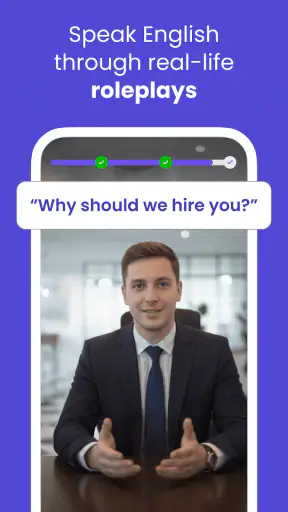
For English learners, the same approach works with workplace or social situations. I would choose a topic connected to an immediate need, practise a few expressions, and then test whether I could answer without copying the wording from the lesson. The app is more valuable when it supports a specific communication goal than when it becomes a general stream of language content.
Does Lingopanda keep its value after the novelty fades?
Month-to-month usefulness depends on active practice
After the initial curiosity fades, the app’s continuing value comes from the relationship between its three main activities. None of them is enough on its own. Videos are good for exposure, quizzes are useful for checking comprehension, and the AI tutor creates a safer place to practise output. Together, they can form a compact routine. If I only browse videos, the experience becomes closer to language entertainment. If I only answer quizzes, it can feel like testing without enough real-world context. If I only chat with the tutor, I may practise familiar structures without broadening my input.
That balance is the reason I would keep it installed for a learner who prefers guided variety. The app gives me several ways to return to the same language, which is important for maintenance. A phrase heard in a video can be tested later, then used in a conversation prompt. This creates a more useful revisit than simply marking a lesson complete and moving on.
My less enthusiastic view is that the learner has to provide some of the structure. I would not rely on the app alone to decide what deserves review, especially if my goal were a formal exam, professional fluency, or a carefully sequenced curriculum. Traditional courses, tutors, or structured textbooks may be better when I need a visible syllabus and a clear progression through grammar. Lingopanda suits flexible practice more than strict academic planning.
Who is likely to get the most from it?
I think it is a good match for beginners and lower-intermediate learners who want to become more comfortable with everyday English or Spanish. It is also appealing to people who have tried flashcards but lose interest when every session feels identical. The native-speaker videos can add context, while the quizzes provide enough structure to stop the experience from becoming completely passive.
It may also help a returning learner who already knows basic vocabulary but has become rusty. In that situation, the app can serve as a gentle re-entry point. I would use familiar topics to rebuild confidence, then direct the tutor toward situations that expose gaps. The important distinction is that it works well as a practice companion; I would be cautious about treating it as the only resource for advanced accuracy or specialized language.
Someone who wants a teacher to correct every detail may be happier with a human tutor. Someone preparing for a specific certification may prefer a dedicated exam platform. And a learner who dislikes video-led study or conversational experimentation may find a traditional, text-heavy course more comfortable. Lingopanda’s flexibility is a strength, but it also means it does not impose the same discipline as a formal class.
The maintenance burden is manageable, but not invisible
The app is free to begin, which makes experimenting with it easy. It includes in-app purchases ranging from $6.99 to $99.99 per item, so I would check which parts of the experience require payment before building my entire routine around them. The free starting point lowers the risk of trying it, but the long-term decision should be based on whether the available practice fits my needs, not simply on the fact that installation costs nothing.
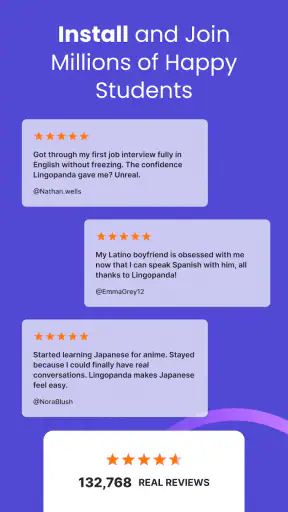
On the technical side, the current version is 3.8.3 and it requires operating system version 10 or later. That is worth checking before downloading, particularly on an older device. The app has been available since January 20, 2022, and its audience is substantial: it has passed one million installs, with an average rating of 4.5 from roughly ninety-five thousand ratings. Those figures suggest that the concept has found a broad audience, although popularity does not remove the need to decide whether its learning style suits me.
The real maintenance burden is behavioral. I have to choose whether a session is for exposure, recall, or speaking. Without that decision, it is easy to watch a video, feel productive, and forget most of it. My best adjustment was to make every session end with one small act of production: saying a new phrase aloud, answering the tutor without looking at a model, or creating a sentence that relates to my own life.
Where fatigue can appear
Repeated practice can become tiring when every session feels like another demand to perform. The AI tutor is helpful for reducing the fear of speaking, but it does not automatically create a meaningful personal relationship with the language. After the novelty wears off, I would vary the purpose of each visit rather than expecting the same format to stay exciting. One day might focus on listening, another on retrieving phrases, and another on a short role-play.
There is also a trade-off between convenience and depth. Short app sessions are easier to maintain than a full lesson, but they may not provide enough time to unpack why a sentence works, compare subtle grammar choices, or correct persistent pronunciation habits. If I repeatedly make the same mistake, I would not assume that more casual practice will solve it. That is the point where a teacher, reference book, or more specialized resource could be a better companion.
Another possible source of fatigue is choice. Having videos, quizzes, and an AI tutor sounds liberating, but a learner who already struggles with consistency may spend more time deciding what to do than actually practising. I would solve that by assigning each weekday a simple purpose and keeping the routine modest. The app does not need to carry an ambitious study plan to be useful; it needs to be opened often enough for the material to remain active.
Small techniques that improve the experience
One technique I recommend is the “delayed replay.” After watching a video, I would avoid immediately replaying it several times. Instead, I would complete the quiz or try to summarize the idea first. Only then would I revisit the difficult part. This reveals whether the problem is hearing the words, understanding them, or retrieving them later. Each problem needs a different response, and simply replaying everything can hide that distinction.
A second technique is to make tutor practice slightly uncomfortable but still achievable. If I always ask for phrases I already know, the conversation feels smooth but teaches me little. If I choose a situation far beyond my level, I quickly fall back on translation or generic answers. The useful middle ground is a familiar scenario with one new element, such as changing the time, adding a preference, or asking for clarification.
A third is to keep a personal phrase filter. I would not try to remember every expression that appears. I would keep the ones connected to my routine, work, travel plans, or relationships. That makes later tutor practice more meaningful and reduces the sense of collecting vocabulary that will never be used. It is a simple way to turn broad content into a personal study set without pretending that every lesson has equal importance.
How it compares with familiar alternatives
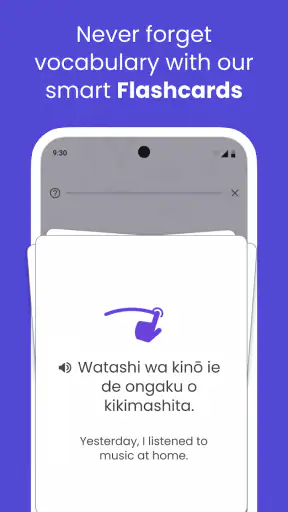
Compared with ordinary flashcard apps, Lingopanda offers more context and a clearer bridge toward speaking. Flashcards can be excellent for disciplined vocabulary review, especially when I want precise control over repetition, but they rarely provide the same feeling of hearing language in use and then responding to it. I would choose flashcards as a supplement when memorization is the main goal, not necessarily as a replacement for this app’s video-and-tutor combination.
Compared with watching free language videos elsewhere, Lingopanda has the advantage of putting a quiz and conversational practice close to the input. Watching videos alone can be enjoyable and useful, but it leaves me responsible for creating the recall step. Here, the transition is more immediate. The compromise is that a dedicated video platform may offer a wider range of teachers, accents, subjects, and difficulty levels, while Lingopanda keeps the experience more focused.
Compared with a live tutor, the app is more convenient and less intimidating, but less personal. A human can notice hesitation, ask follow-up questions based on my exact mistake, and adapt a lesson in a way an automated exchange may not. I would use Lingopanda for frequent low-pressure practice and a teacher for targeted correction or important speaking goals. They solve different problems rather than competing perfectly.
My long-term verdict
Lingopanda earns lasting space on my phone when I use it as a maintenance tool, not as a magical shortcut. Its strongest long-term quality is the ability to connect listening, checking, and speaking in one lightweight education app. The native-speaker videos keep input human, the quizzes expose whether I was paying attention, and the AI tutor gives me a practical rehearsal option. That is enough to support a regular habit for many English and Spanish learners.
I would not recommend it as the sole resource for advanced study, exam preparation, or anyone who needs detailed human correction. I would also avoid paying for more than I can realistically use; the free starting point makes it sensible to test the routine first and decide whether the added options match my goals. The app’s broad audience and 4.5 average rating are encouraging, but my own consistency matters more than its popularity.
My final recommendation is simple: try it with a small, repeatable plan. Use a video for input, a quiz for recall, and the tutor for one short situation connected to your real life. If that cycle still feels useful after the excitement of the first week disappears, Lingopanda has genuine recurring value. If I only browse lessons or expect it to replace a complete course, the benefits become much thinner. Its lasting strength is not novelty; it is the chance to make a few minutes of active language practice easier to repeat.


